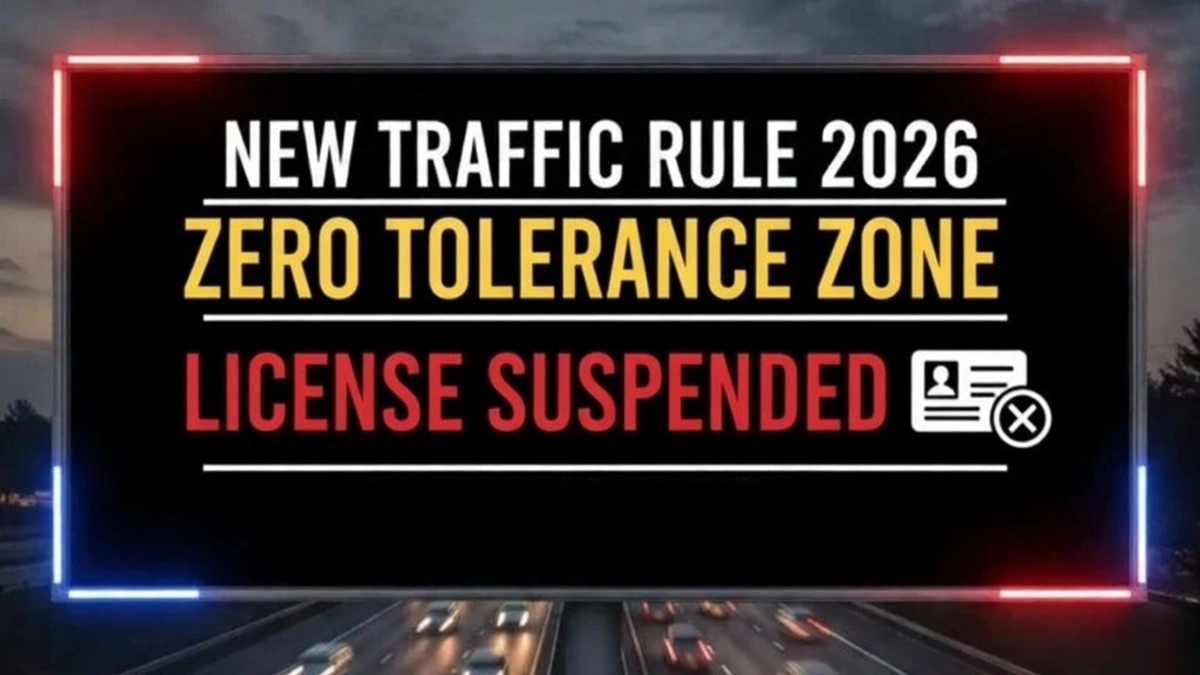
Drivers are facing a major shock as new traffic rules set to take effect from March 25, 2026, bring a significant increase in speeding fines. Authorities have announced that penalties for overspeeding could now go as high as $1,900, marking one of the strictest enforcement measures in recent years. This update is part of a broader push to improve road safety and reduce the number of accidents caused by reckless driving. For many drivers, this change is more than just a minor adjustment. It directly impacts daily driving habits and could lead to serious financial consequences if not taken seriously. Even small violations that were previously overlooked could now result in heavy penalties.
What Is Changing in the New Traffic Rule 2026
The most significant change is the steep increase in fines for speeding violations. Depending on how much a driver exceeds the speed limit, the penalty can now reach up to $1,900. This applies to both urban and highway driving, making it essential for all drivers to stay within legal limits. Authorities are also tightening enforcement, meaning that more drivers are likely to be caught for violations. The aim is to create a strong deterrent against speeding and encourage safer driving behavior.
Why Are Fines Being Increased
The primary reason behind this sharp increase in fines is the rising number of road accidents linked to speeding. Governments and transport authorities have identified overspeeding as one of the leading causes of serious and fatal crashes. By increasing fines, authorities hope to discourage risky driving and make roads safer for everyone. This move also aligns with global trends where stricter penalties are being introduced to improve road safety.
How the New Fine Structure Works
Under the updated rules, fines will vary based on the severity of the violation. Minor overspeeding may still attract lower penalties, but serious violations, especially those far above the speed limit, will face the highest fines. Repeat offenders could face even harsher consequences, including license suspension or additional penalties. This tiered system ensures that penalties are proportional to the risk posed by the violation.
Advanced Speed Monitoring Systems
To support these stricter rules, authorities are deploying advanced speed detection technologies. High-resolution cameras, AI-based monitoring systems, and automated enforcement tools will be used to track violations more accurately. These systems can detect speed violations in real time and issue fines automatically, reducing the chances of offenders escaping penalties.
Impact on Everyday Drivers
For regular drivers, these changes mean adopting a more cautious approach on the road. Even slightly exceeding the speed limit could result in fines that significantly impact personal finances.
Drivers will need to be more mindful of speed limits, especially in areas with heavy monitoring such as school zones, highways, and urban centers.
Common Situations Where Drivers May Get Fined
Many drivers unknowingly exceed speed limits in certain situations, such as downhill driving, overtaking, or driving on unfamiliar roads. With stricter enforcement, these situations could now lead to penalties.
Being aware of speed limits at all times and adjusting driving behavior accordingly will be essential to avoid fines.
What Happens if You Violate the Rule
If a driver is caught speeding under the new rules, they will receive a fine notice, which may include details of the violation, the amount payable, and the deadline. Failure to pay fines on time could result in additional penalties, legal action, or suspension of the driving license. In severe cases, drivers may also face court proceedings.
How to Avoid Heavy Fines
Avoiding these fines requires disciplined driving habits. Staying within speed limits, paying attention to road signs, and using cruise control where possible can help maintain safe speeds. Regularly checking speed limits, especially in new areas, and being cautious in high-risk zones can significantly reduce the chances of violations.
Why This Change Matters
The increase in fines is not just about penalties but about changing driver behavior. By making violations more costly, authorities aim to encourage safer driving practices and reduce accidents. While the fines may seem harsh, they are designed to protect lives and improve overall road safety.
Conclusion
The new traffic rule effective from March 25, 2026, marks a significant shift in how speeding violations are handled. With fines reaching up to $1,900, drivers must take these changes seriously. Staying informed, driving responsibly, and adhering to speed limits are the best ways to avoid penalties and ensure safety on the road.
Disclaimer: This article provides general information based on expected updates. For exact rules and fines, refer to official transport authority announcements.